loading
Marine Economic Development Demonstration Zone, Wenzhou City, Zhejiang Province, China
Shopping Cart
  • No products in the cart.
  • How to Choose 30mA, 100mA, or 300mA RCD Protection for Different Applications

    When selecting an RCD, many buyers and installers focus first on the leakage current rating: 30mA, 100mA, or 300mA. These values look simple, but choosing the wrong one can lead to poor protection, nuisance tripping, or an installation that does not match the actual application.
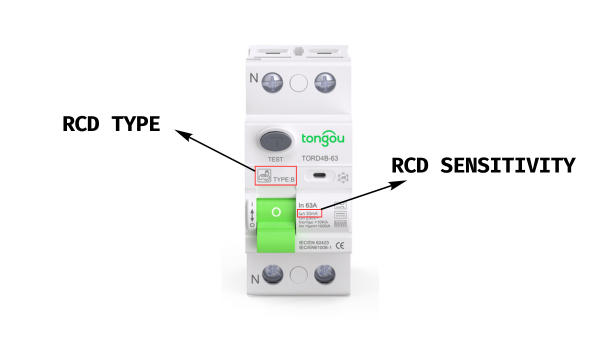
    The right RCD sensitivity depends on what the circuit is protecting, where the device is installed in the system, and what kind of load is connected. A residential socket circuit, an EV charger, a UPS input, and an industrial distribution board do not all need the same protection strategy.

    This guide explains how to choose 30mA, 100mA, or 300mA RCD protection for different applications, and how to avoid common selection mistakes.

    What Do 30mA, 100mA, and 300mA Mean on an RCD?

    These values indicate the rated residual operating current of the RCD. In simple terms, they show the level of leakage current at which the device is designed to trip.

    ——30mA RCD responds to a relatively low leakage current and is commonly used where additional protection for people is needed.

    ——100mA RCD is often used in upstream or distribution-level positions where a higher threshold is more practical.

    ——300mA RCD is typically associated with broader installation protection, especially where fire-risk reduction or upstream coordination is part of the design.

    This does not mean a lower number is always better. It means each sensitivity is suited to a different role in the electrical system.

    Why RCD Sensitivity Matters

    An RCD should not be chosen by habit alone. If the sensitivity is too low for the wrong position in the system, the result may be unnecessary tripping. If the sensitivity is too high for a final circuit, the level of protection may not match the intended use.

    A good RCD selection balances three things:

    ——protection objective

    ——circuit location

    ——load characteristics

    That is why experienced designers do not simply ask, “Which RCD is safest?” They ask, “What is this RCD supposed to protect?”

    When to Use a 30mA RCD

    A 30mA RCD is commonly used for final circuits where people may come into direct contact with electrical equipment or accessories. It is the most familiar choice for applications where additional protection against electric shock is required.

    Typical applications include:

    -household socket outlets

    -bathroom and kitchen circuits

    -outdoor power circuits

    -residential final distribution circuits

    -EV charging connection points, depending on the charger design and required RCD type

    In many installations, 30mA protection is the standard choice for circuits that ordinary users interact with every day. It is widely used in homes, small commercial spaces, and end-user power circuits.

    However, 30mA is not always the right answer for every level of the system. When used too far upstream, or across too many loads with natural leakage current, it may trip more often than expected.

    When to Use a 100mA RCD

    A 100mA RCD is often chosen for sub-distribution or upstream protection rather than direct point-of-use protection.

    It can be suitable in applications such as:

    • sub-distribution boards
    • feeder circuits
    • installations with multiple downstream 30mA circuits
    • systems where some level of leakage current is expected and better coordination is needed

    In practical terms, 100mA protection is often used where the goal is not direct personal protection at the final socket, but a more stable protection layer higher in the installation.

    For example, if a building has several downstream circuits already protected by 30mA devices, an upstream 100mA RCD may help improve selectivity and reduce unnecessary whole-system trips.

    This makes 100mA a common option in commercial or mixed-use distribution systems, where protection needs to be more coordinated.

    When to Use a 300mA RCD

    A 300mA RCD is generally used in main distribution or upstream protective roles, especially where the design focus is broader installation protection rather than direct additional protection for people.

    Common uses may include:

    • main incoming protection in selected systems
    • upstream fire protection strategy
    • industrial or commercial distribution boards
    • circuits with multiple downstream protected branches
    • installations where a higher level of standing leakage current is expected

    A 300mA RCD is not usually selected for final circuits that require close personal protection. Instead, it is more often used where the priority is to supervise larger sections of the installation and reduce the risk associated with persistent earth leakage faults.

    In other words, 300mA protection works more like an umbrella over the system, while 30mA protection works closer to the person using the circuit.

    How to Choose the Right RCD Sensitivity by Application

    1. Residential circuits

    For residential socket circuits, lighting circuits in specific areas, bathrooms, kitchens, and outdoor outlets, 30mA RCD protection is usually the most appropriate starting point.

    Home installations are built around direct user contact. That makes low-level leakage protection especially important. In most cases, 100mA or 300mA protection would be too high for final residential circuits if used alone.

    Typical choice: 30mA

    2. EV charger circuits

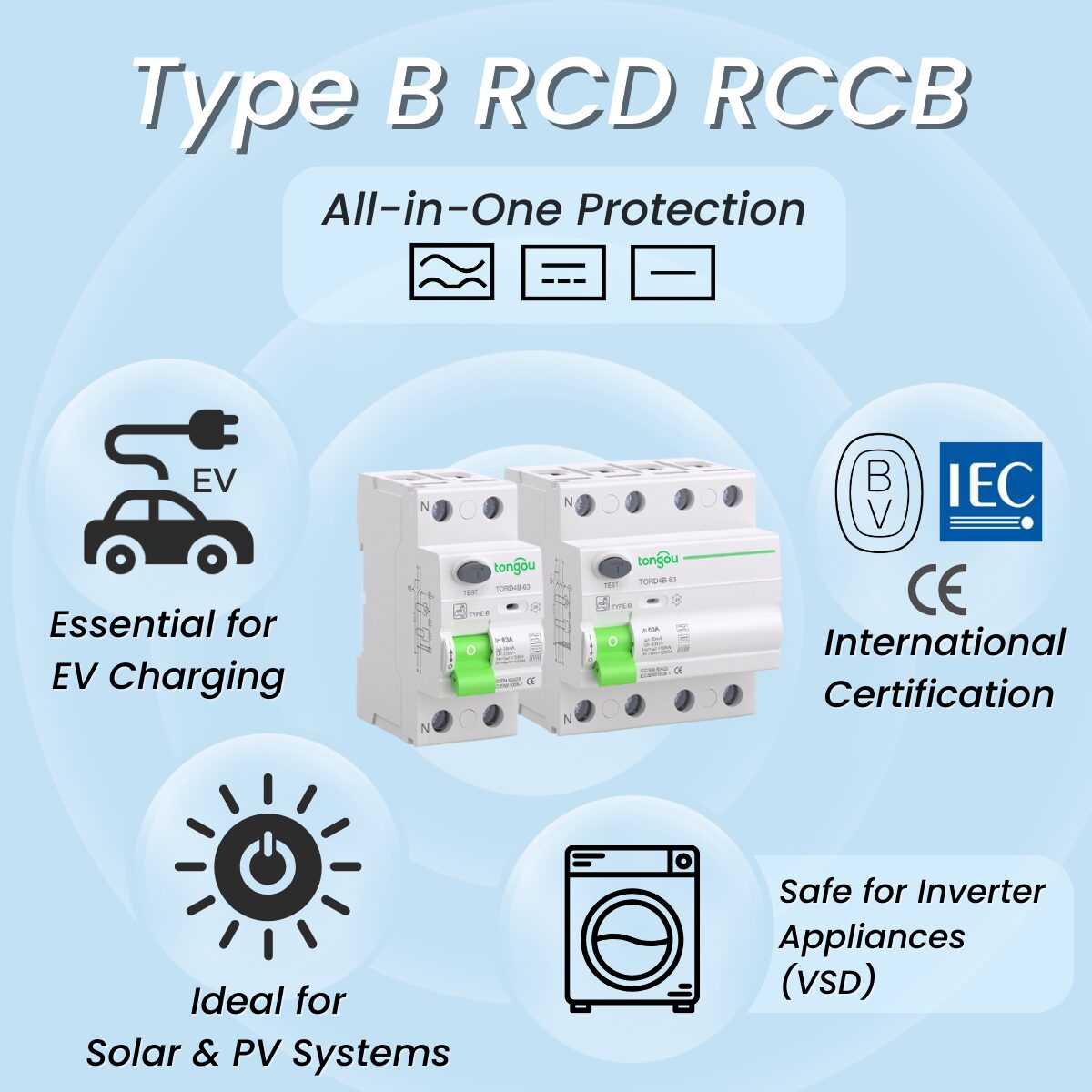
    For EV charging, 30mA protection is often part of the required protection concept, but sensitivity is only part of the decision. The installer must also consider the RCD type, because EV chargers may involve DC residual currents or electronic characteristics that standard AC-only devices may not handle correctly.

    This means that for EV charging, the real question is often not just 30mA vs 100mA, but also Type A vs Type B, or whether the charger includes its own DC leakage protection.

    Typical choice: 30mA, with correct RCD type selection (Usually type B)

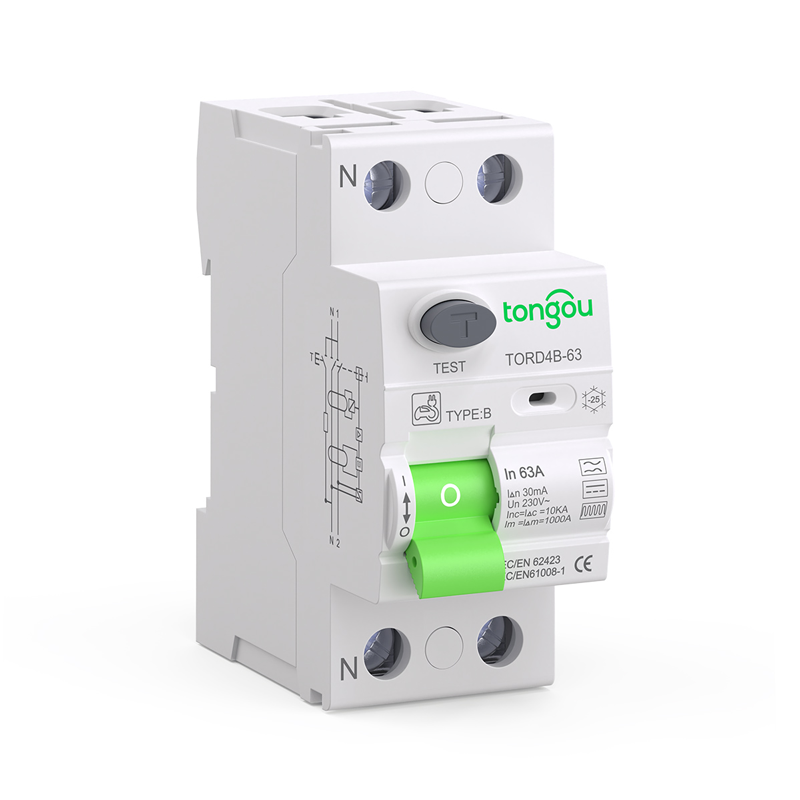
    TONGOU TYPE B RCD——TORD4B

    3. UPS systems, inverters, and power electronics

    UPS systems, inverters, variable-speed drives, and similar loads can introduce more complex leakage current behavior. In these applications, choosing the correct RCD type is just as important as choosing the correct sensitivity.

    Depending on the system design, a 30mA device may still be used on final circuits, while upstream parts of the system may use 100mA or 300mA protection for coordination.

    For these applications, there is no good shortcut. The correct answer depends on the load structure, expected leakage current, and whether the RCD is protecting a final output or a higher-level distribution point.

    Typical choice: depends on circuit position and load characteristics

    4. Commercial distribution boards

    Commercial installations often combine multiple layers of protection. A common structure is:

    • 30mA RCDs on final circuits
    • 100mA or 300mA RCDs upstream for feeder or distribution-level protection

    This layered approach helps balance safety and continuity. If every level of the system used the same low threshold, nuisance tripping could become a real problem. If every level used a high threshold, final-circuit protection could become too weak.

    Commercial panels benefit from coordination, not oversimplification.

    Typical choice: 30mA downstream, 100mA or 300mA upstream

    5. Industrial installations

    Industrial systems may include large cable networks, motors, drives, filters, control panels, UPS systems, and multiple distribution layers. In these environments, RCD selection should be based on full system behavior rather than a single rule of thumb.

    A 300mA RCD may be more suitable at the incoming or upstream level, while lower values may still be required for specific outgoing circuits. In many industrial applications, the wrong RCD sensitivity can either cause repeated trips or fail to support the intended protection strategy.

    In an industrial panel, RCD selection is less like choosing a switch and more like setting the rhythm of the whole system. One wrong beat, and the whole board starts dancing badly.

    Typical choice: often 100mA or 300mA upstream, with lower sensitivity on selected final circuits

    30mA vs 100mA vs 300mA RCD: A Practical Way to Decide

    What am I protecting?

    If the RCD is protecting people on a final circuit, 30mA is often the right starting point.

    Where is the RCD installed?

    If the device is installed upstream of several other protected circuits, 100mA or 300mA may be more suitable.

    What kind of load is connected?

    If the circuit includes EV chargers, UPS systems, inverters, or variable-speed drives, check the RCD type as carefully as the sensitivity.

    This three-step logic helps avoid one of the most common mistakes in RCD selection: treating all applications as if they were the same.

    Common Mistakes When Choosing RCD Protection

    1. Choosing only by mA rating

    The leakage threshold matters, but it is not the whole story. RCD type, system position, and load behavior must also be considered.

    2. Using 100mA instead of 30mA just to stop tripping

    If a 30mA RCD trips too often, the solution may be poor circuit grouping, accumulated leakage current, or the wrong device type. Simply raising the threshold is not always the correct fix.

    3. Using one RCD for too many circuits

    Large grouped circuits can accumulate leakage current and cause instability. Dividing the system into smaller protected sections is often a better design.

    4. Forgetting that an RCD is not overcurrent protection

    An RCD detects residual current. It does not replace short-circuit or overload protection.

    Final Thoughts

    Choosing between 30mA, 100mA, and 300mA RCD protection is not just about picking a number from a label. It is about matching protection to the real job of the circuit.

    • 30mA is usually the right choice for final circuits and additional protection for people.
    • 100mA is often used where better coordination is needed in sub-distribution or upstream positions.
    • 300mA is commonly used for broader installation protection and upstream fire-protection strategy.

    For residential circuits, the answer is often straightforward. For EV chargers, UPS systems, PV systems, and industrial panels, the decision becomes more technical, and the RCD type must be checked alongside the sensitivity.

    A well-selected RCD does not just protect the system. It protects the system in the right place, for the right reason, and at the right level.

    Johnson Lim

    Johnson Lim

    Johnson Lim is the General Manager of Changyou Technology and has over 10 years of experience in circuit protection technology and residential electrical safety. He is committed to developing and producing safer and smarter electrical products.

      Table of Contents