loading
Paidong Industrial Zone Qiligang,Yueqing City,Zhejiang province,China.
Shopping Cart
  • No products in the cart.
  • Understanding the Importance of a 16 Amp Breaker in Home

    Ever plug in the electric kettle while the dishwasher is running and wonder what prevents your home’s wiring from complaining? Or perhaps you’ve experienced a sudden power cut to one part of your house after switching on too many appliances? Lurking within your home’s consumer unit (also known as a distribution board or fuse box) is a small but mighty device responsible for managing this: the Miniature Circuit Breaker, or MCB.

    While various ratings exist, arguably the most common and hardworking MCB you’ll find safeguarding circuits in homes across Europe is the 16 Amp breaker. It’s the backbone of everyday electrical safety, quietly protecting the circuits that power many of your essential devices.

    What Exactly is an MCB? A Quick European Refresher

    Think of a Miniature Circuit Breaker (MCB) as an intelligent, reusable fuse. It’s an automatic electrical switch designed with one primary goal: to protect an electrical circuit from damage caused by overcurrent. Overcurrent happens in two main ways:

    ——Overload

    ——Short Circuit

    In modern European homes, MCBs are typically mounted neatly on a standardized DIN rail inside the consumer unit. They often work alongside other crucial safety devices like Residual Current Devices (RCDs) or Residual Current Breakers with Overcurrent protection (RCBOs), which provide additional protection against electric shock.

    The reliability of these devices is paramount. For an MCB to perform its life-saving function correctly every time, it needs to be manufactured to stringent standards. Choosing MCBs from reputable manufacturers like Tongou, who adhere to strict quality control and international safety certifications. 

    Why "16 Amps"?

    The “16 Amp” rating tells you the maximum continuous electrical current the breaker is designed to safely allow through the circuit it protects. Why is 16A such a common figure in European electrical installations?

    Matching Standard European Wiring: In Europe, common household wiring for general-purpose socket circuits often uses copper cables with conductor cross-sectional areas of 1.5mm² or, more commonly for socket circuits, 2.5mm². Electrical regulations dictate the maximum current these wire sizes can safely carry without overheating. A 16 Amp breaker is typically well-suited to protect circuits using 2.5mm² wiring (and sometimes 1.5mm² depending on installation method and local codes), providing a safety margin.

    Balancing Power Needs and Safety: The standard European voltage is typically 230V. Using the power formula (Power (Watts) = Voltage (Volts) x Current (Amps)), a 16A circuit can handle a maximum continuous load of approximately 3680 Watts (230V * 16A = 3680W). This capacity is sufficient for many common household scenarios, allowing multiple lower-power devices or single higher-power appliances (like a kettle or vacuum cleaner) to run without issue, while still being sensitive enough to trip quickly if the wiring is overloaded.

    Standardisation: Having a common rating like 16A simplifies electrical design, installation, and component manufacturing across different European countries, although specific national regulations always take precedence.

    Understanding Breaker Markings (B16 / C16)

    Most 16 amp breakers are marked as B16 or C16:


    MarkingTrip CharacteristicTypical Use
    B16Trips at 3–5× rated currentLighting, low inrush loads
    C16Trips at 5–10× rated currentSockets, appliances

    16A vs 10A vs 20A Circuit Breaker Comparison


    Breaker RatingTypical Wire SizeCommon UsageRisk if Misused
    10A1.5 mm²Lighting circuitsTrips easily under load
    16A2.5 mm²General sockets & appliancesBest balance for homes
    20A4.0 mm²High-power appliancesOverheating if wire is undersized

    For most residential socket circuits, 16A is the most commonly recommended option when matched with proper cable sizing.

    Where You'll Typically Find a 16 Amp Breaker in Europe (Everyday Examples)

    Walk over to your consumer unit, and you’ll likely see several switches marked “C16” . These 16A breakers are the workhorses protecting many familiar circuits:

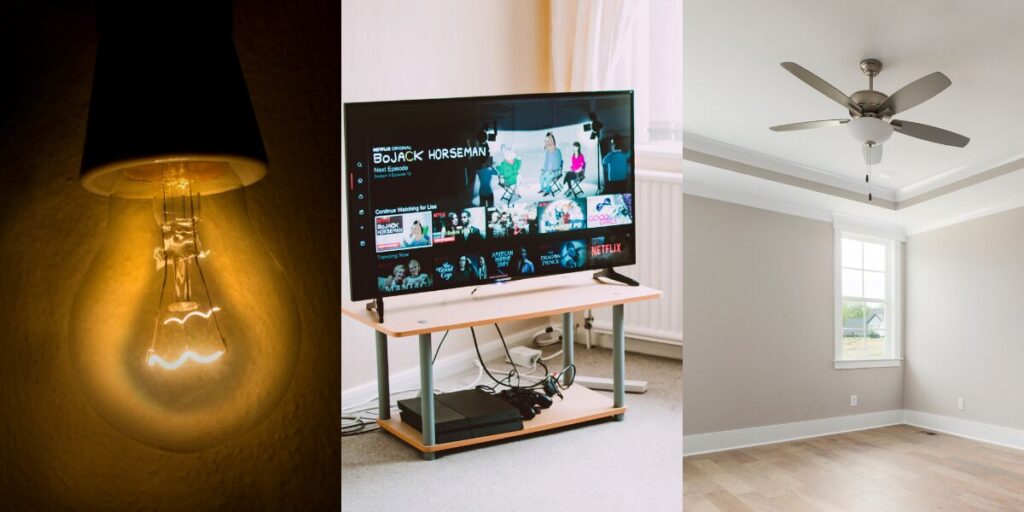
    General Purpose Socket Outlet Circuits: This is the most frequent application. A single 16A MCB often protects a group of wall sockets in a specific room (like the living room, bedroom, or study) or area. This allows you to safely plug in everyday items such as:

    Walk over to your consumer unit, and you’ll likely see several switches marked “C16” . These 16A breakers are the workhorses protecting many familiar circuits:

    General Purpose Socket Outlet Circuits: This is the most frequent application. A single 16A MCB often protects a group of wall sockets in a specific room (like the living room, bedroom, or study) or area. This allows you to safely plug in everyday items such as:

    The Critical Importance of the Correct Size and Quality

    Using the correctly rated MCB is not just a recommendation; it’s a fundamental safety requirement. Mismatching the breaker size to the wiring it protects can have dangerous consequences:

    Using a Breaker That's Too Small (e.g., 10A on a circuit needing 16A):

    This isn’t typically dangerous, but it’s highly inconvenient. The breaker will likely trip frequently during normal use (nuisance tripping) when you plug in appliances the circuit should be able to handle.

    Using a Breaker That's Too Large (e.g., 20A on wiring only rated for 16A):

    THIS IS EXTREMELY DANGEROUS AND CREATES A SEVERE FIRE HAZARD. Remember, the primary job of the MCB is to protect the wiring installed within your walls. If you install a 20A breaker on a circuit with wires only designed for 16A, the wires can overheat significantly, melt their insulation, and potentially ignite surrounding materials before the oversized breaker even detects a problem and trips. Never replace a breaker with a higher-rated one unless a qualified electrician has confirmed the wiring is appropriate for the increased load.

    Equally important is the quality of the MCB itself. A cheap, uncertified breaker might fail to trip when needed, offering a false sense of security, or it might degrade quickly over time.

    Choose tongou 16a Circuit Breaker, European Standard DIN-Rail Circuit Breaker

    ——Overload Protection

    ——Short Circuit Protection

    ——OEM

    ——1-63A Adjustable

    ——Remote Control

    ——Real-time Power Consumption

    Maintaining Your Electrical Safety

    Know Your Consumer Unit: Familiarize yourself with your consumer unit. Breakers should ideally be labelled indicating which circuit they protect. Look for the rating printed on the front (e.g., “B16”, “C16”).

    Don’t Ignore Frequent Tripping: If a specific 16A breaker trips regularly, don’t just keep resetting it. It’s signalling an issue – either you’re consistently overloading the circuit, or there might be a fault in an appliance or the wiring itself.

    Typical Home Applications of a 16 Amp Circuit Breaker

    A 16 amp breaker is commonly used in residential electrical systems for medium-load circuits. Below are typical home applications where a 16A breaker is appropriate:


    Home AreaTypical LoadRecommended Breaker
    Living room socketsTV, router, chargers, small appliances16A MCB
    Bedroom outletsLighting, laptops, fans10A–16A MCB
    Kitchen wall socketsMicrowave, coffee machine16A MCB (dedicated line recommended)
    Bathroom socketsHair dryer, small heaters16A MCB
    Home officeComputers, monitors16A MCB

    This makes the 16 amp breaker a balanced choice between safety and usability for most standard residential circuits.

    The humble 16 Amp Miniature Circuit Breaker is a cornerstone of electrical safety in millions of European homes. It diligently protects standard socket and other general-purpose circuits, allowing us to use our everyday appliances without constantly worrying about overloading the wiring.

      Table of Contents